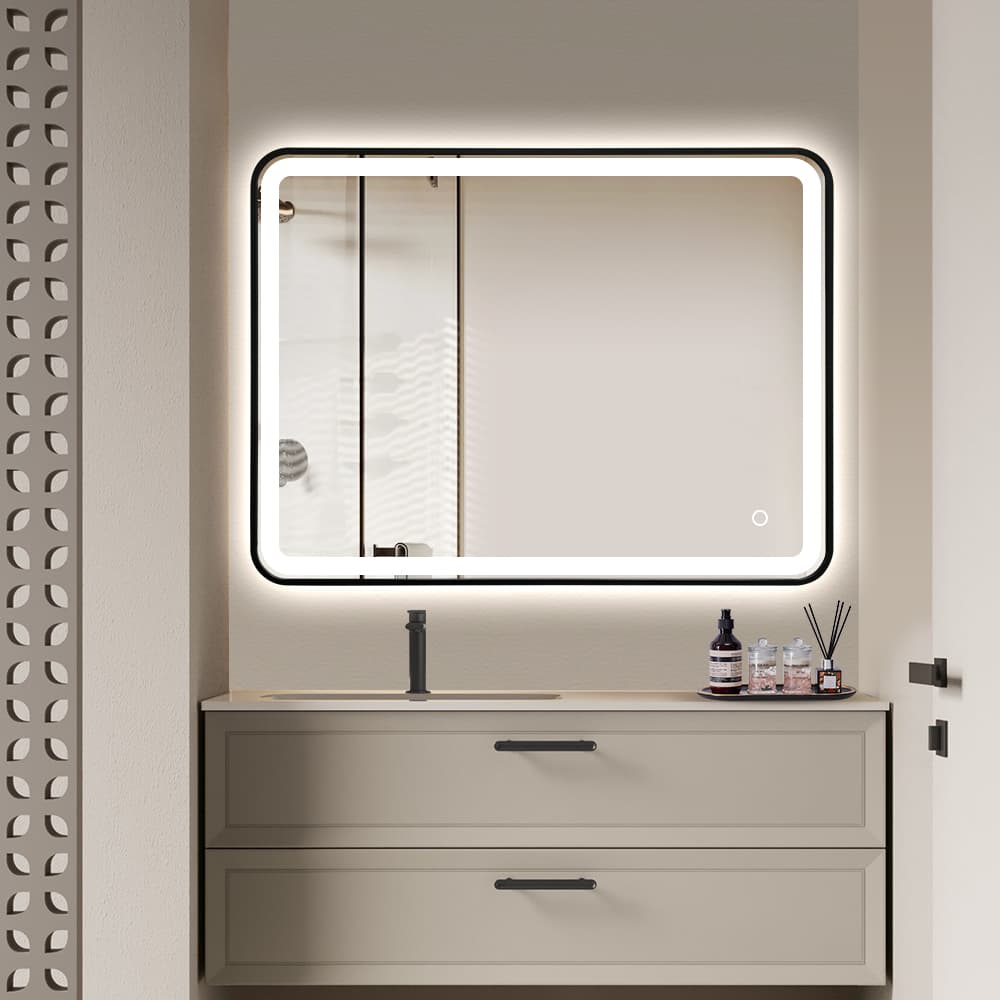
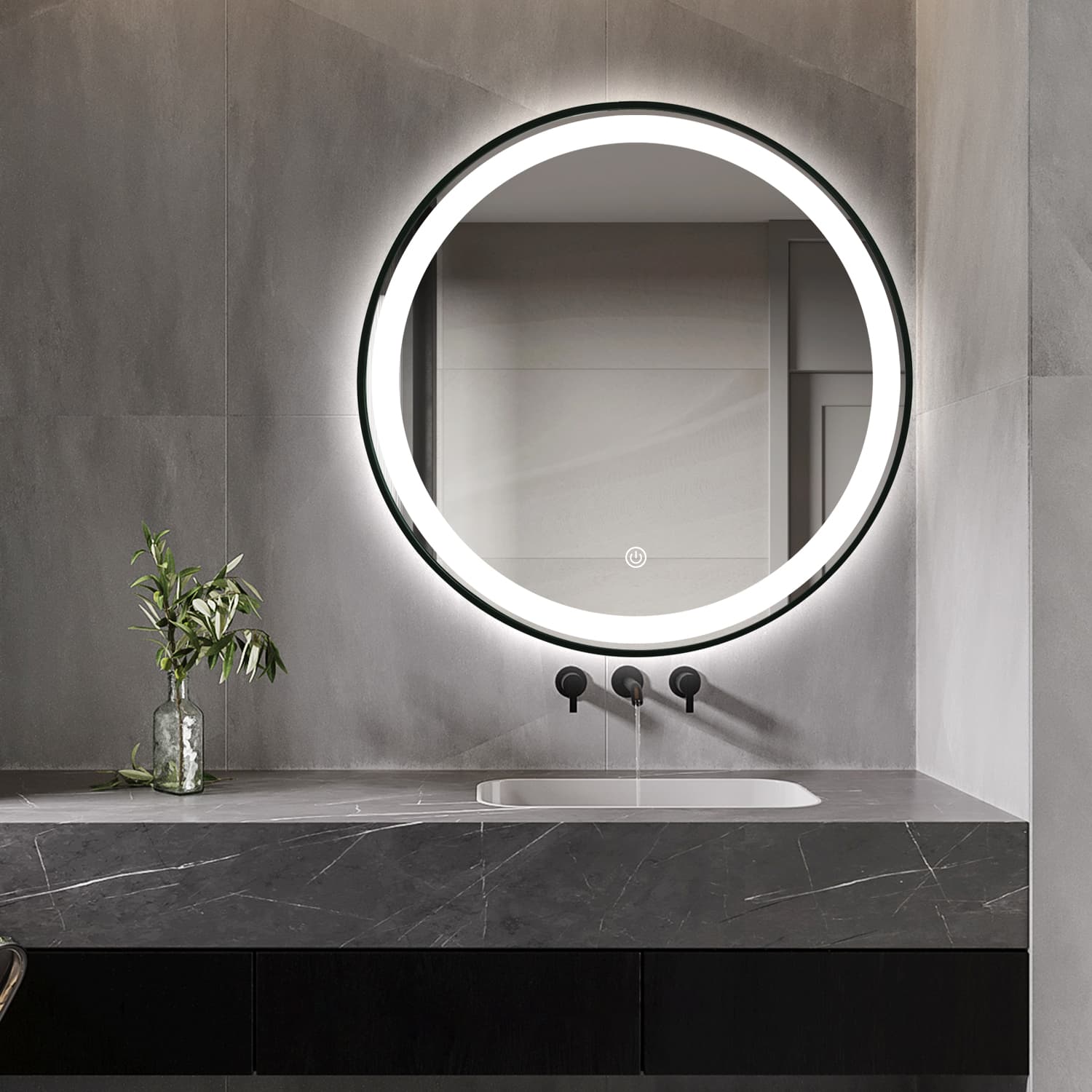
There is a step near the end of the line that a consultant once suggested we automate. We declined. It is the edge — the bevel and polish that runs around the perimeter of every mirror — and it is finished by hand because the hand notices things a machine does not.
A glass edge straight off the cutting table is sharp and slightly ragged. Machines can grind it smooth at volume, and for hidden edges we let them. But a visible edge, the kind that catches a sliver of light in a frameless mirror, is the difference between a product that feels considered and one that feels cut. So an operator runs it, checks it against the light, and runs it again.
The hand notices things a machine does not.
On the Floor
It is slower. It is also the reason customers run their thumb along the edge of a sample and decide, without quite knowing why, that this is the one.